Flexible Brain Medicine
The connection between current research in medicine and neuroscience, neuroplasticity, and processes of change and development
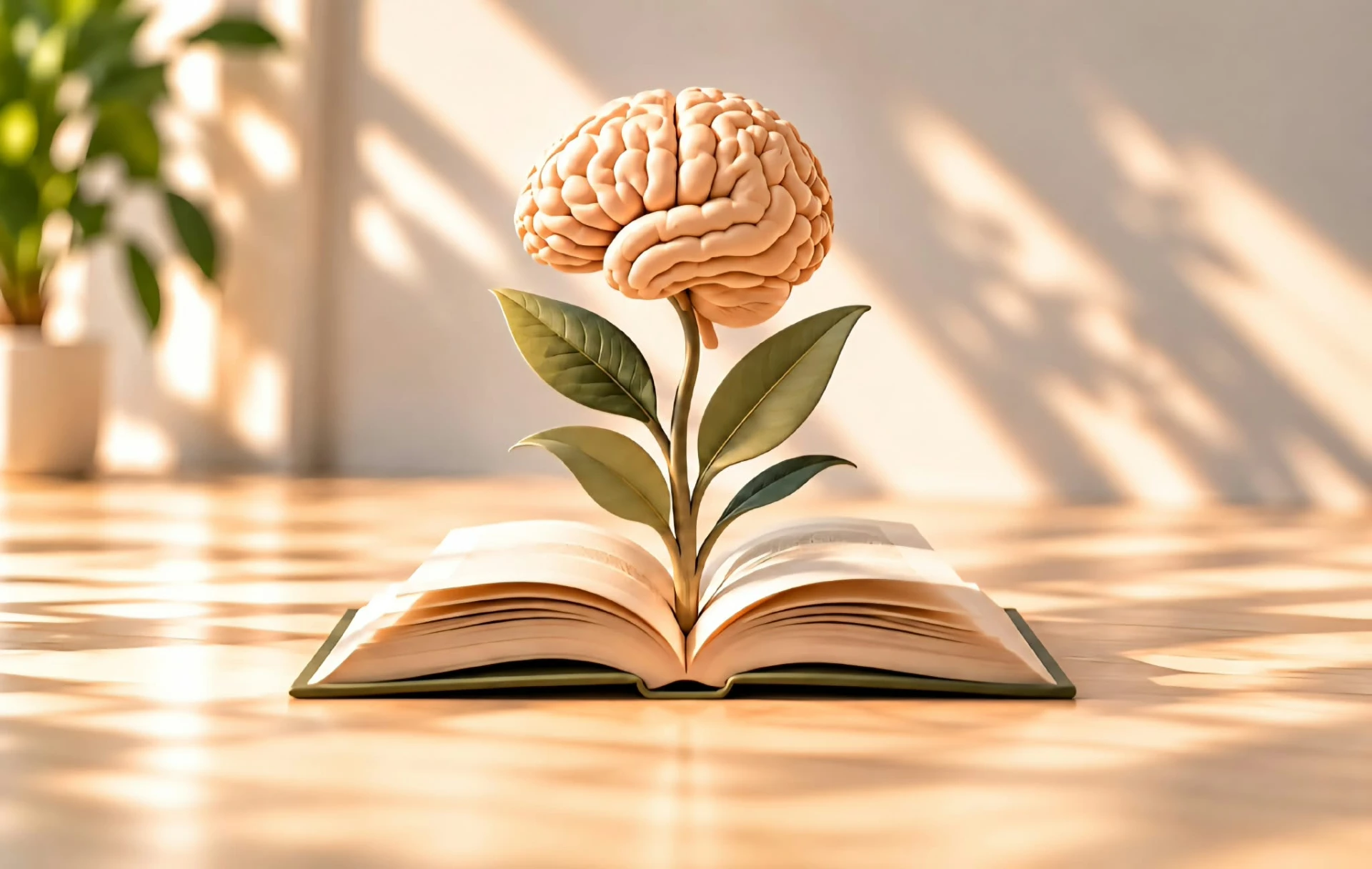
The human brain is not a fixed, unchanging system. Throughout life, it continues to adapt, learn and change in response to experiences, the environment and processes taking place in the body and mind.
This ability, known as neuroplasticity, underlies processes of learning, skill acquisition, adaptation and the rehabilitation of certain functions.
Flexible Brain Medicine is an integrative approach that seeks to connect scientific knowledge from medicine and neuroscience with a clinical understanding of psychological, cognitive and behavioral processes.
The approach emphasizes examining current research findings and the possibilities they offer for broadening therapeutic thinking.
What Is Neuroplasticity?
Neuroplasticity is the brain’s ability to form new neural connections, strengthen or weaken existing connections and change the way neural networks function and communicate with one another.
These processes are influenced, among other things, by new learning, practice, repeated experiences, development and health status.
Neuroplasticity occurs throughout life, although its extent and nature vary according to age, brain regions and personal circumstances.
Understanding these mechanisms helps explain how patterns are acquired, why some become established and how new experiences may contribute to change.
In Which Areas Might Knowledge About Neuroplasticity Contribute?
Learning and Skill Acquisition
Understanding processes of practice, adaptation and the development of new abilities.
Patterns of Thinking and Behavior
Examining how habits become established and how alternative responses can be developed.
Emotional Regulation
Understanding the connections between brain systems involved in processing emotions, attention and responses to stressful situations.
Attention and Executive Functions
Considering mechanisms related to planning, monitoring, cognitive flexibility and control over responses.
Coping with Stress and Trauma
Understanding the effects of prolonged experiences on learning processes, threat responses and adaptation.
Change Across the Lifespan
Examining the possibility of acquiring skills and changing habits in adulthood as well.
The list presents some areas of application and research and does not cover all the topics in which this knowledge may be helpful.
The Connection Between Current Research and Therapeutic Work
Over the past decade, research knowledge about brain function, neural networks, learning mechanisms and the connections between bodily systems and cognitive and emotional processes has expanded.
Flexible Brain Medicine seeks to examine these findings in a clinical context, while distinguishing between research knowledge and therapeutic interventions whose effectiveness has been tested and demonstrated.
Not every discovery in neuroscience leads directly to a new treatment method. Nevertheless, scientific findings may deepen the understanding of familiar processes and contribute to the informed adaptation of existing ways of working.
How Is the Approach Reflected in My Work?
In my work, I draw on knowledge from neuroscience and medicine to broaden the understanding of processes of change, functional difficulties and the connections between psychological experience, behavior and bodily mechanisms.
This knowledge is integrated into clinical thinking alongside psychotherapy and cognitive-behavioral tools, according to the patient’s needs and the goals of treatment.
For example, understanding learning and habit processes may help in building gradual practice, while familiarity with the effects of prolonged stress can contribute to adapting the pace of intervention and choosing ways of coping.
This is not a promise of a particular brain change or a uniform protocol, but a framework for professional thinking based on multidisciplinary knowledge.
Science, Therapy and the Possibility of Change
One of the important messages emerging from research into neuroplasticity is that patterns and abilities are not necessarily fixed throughout life. At the same time, change does not occur automatically. It is influenced by many factors, including health status, living conditions, experiences, practice and tailoring the intervention to the individual.
Flexible Brain Medicine seeks to connect an understanding of the mechanisms of change with responsible therapeutic work that recognizes possibilities for development without disregarding each person’s complexity and uniqueness.
Related articles
- The Flexible Brain; The Brain’s Ability to Change, Learn and Create New Patterns
- Body, Emotion and Brain; Why Does Meaningful Therapeutic Change Sometimes Require Work Through Several Channels at Once?
- Fight, Flight, Freeze; The Survival Responses of the Body and Brain
- Catastrophizing; Why Do We Immediately Imagine the Worst-Case Scenario?
- Trauma and the Brain Code; When the Brain Continues to Detect Danger Even After the Event Has Ended
- Triggers and Neuroplasticity; Why Can Something Small in the Present Evoke a Strong Reaction from the Past?
- The Brain Code in Childhood; How Do Experiences, Relationships and Messages Shape the Way a Child Perceives Themselves and the World?