ADHD - Attention-Deficit/Hyperactivity Disorder
Treatment, functional and attention assessment, and online MOXO assessments (in a variety of languages) for children, adolescents and adults
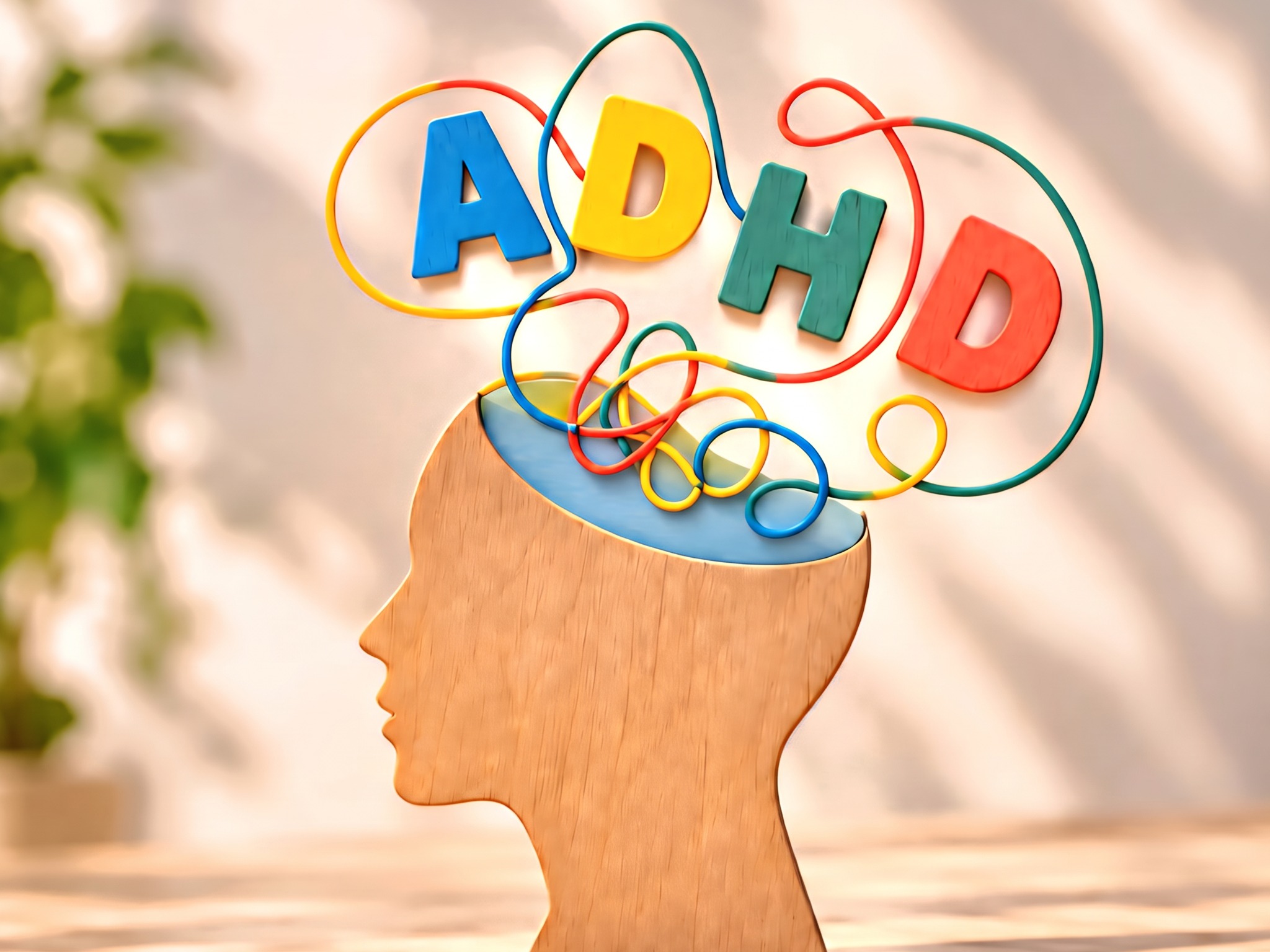
Attention-Deficit/Hyperactivity Disorder (ADHD) is a neurodevelopmental disorder that may affect attention, impulse control, activity level and executive functions.
Its impact is not limited to learning or the ability to concentrate. It may also manifest in difficulties with organization, time management, emotional regulation, relationships and a person's sense of capability.
The way ADHD manifests varies from person to person and may change throughout life. Assessment and treatment therefore require consideration of age, developmental history, the characteristics of the difficulties and their impact on functioning.
How May ADHD Manifest?
The disorder is described in three main presentations: prominent attention difficulties, hyperactivity and impulsivity, or a combination of the two.
Difficulties may include:
Attention and Concentration
Distractibility, difficulty persisting with tasks, forgetfulness and losing track.
Executive Functions
Procrastination, difficulties with planning, organization, prioritization and time management.
Impulsivity
Rapid responses, difficulty waiting and making decisions without considering consequences.
Hyperactivity
Increased movement, restlessness or a sense of inner unease.
Emotional Regulation
A low frustration threshold, emotional reactivity and difficulty coping with overload.
Sensory Regulation
Heightened or reduced sensitivity to sensory stimuli such as noise, light, touch, smells and textures, which may manifest as sensory overload, avoidance of certain stimuli or seeking increased sensory stimulation.
Academic and Occupational Functioning
A gap between personal abilities and actual performance.
Relationships and Self-Image
Conflicts, a sense of failure and self-criticism following ongoing difficulties.
Not everyone with ADHD experiences all of these difficulties, and not every attention difficulty necessarily indicates an attention disorder.
Functional and Attention Assessment
Functional assessment aims to understand how attention difficulties manifest in everyday life and which factors may influence them.
As part of the assessment, I consider personal and developmental history, functioning in different settings, executive functions, emotional state and coping patterns.
As needed, questionnaires, information from parents or the educational setting, and computerized assessment tools are used.
The Importance of Differential Diagnosis
Difficulties with attention and concentration may also occur in conditions other than ADHD, including anxiety, depression, trauma and post-traumatic stress, sleep disorders and various medical conditions.
Sometimes several factors coexist. It is therefore important to examine when the difficulties began, their course and their relationship to the person's emotional state, health and functioning.
Clinical and functional assessment helps build a broad picture and recommend further evaluation or diagnosis by a qualified medical professional when required.
Online MOXO Assessments
As part of my work, I conduct online MOXO assessments in a variety of languages for children, adolescents and adults.
MOXO is a computerized attention assessment that examines four performance measures: attention, timing, impulsivity and hyperactivity, in an environment that includes visual and auditory distractors.
The assessment serves as a supplementary tool in the evaluation process and does not constitute an independent diagnosis of ADHD. Its results are considered alongside clinical, developmental and functional information.
For further information about the assessment and the evaluation process, you can visit the website's Online MOXO Assessments page.
ADHD Treatment for Children, Adolescents and Adults
Treatment is tailored to age, the characteristics of the difficulties and personal needs, and focuses on reducing impairment in functioning and developing effective ways of coping.
In children: The work may include developing organizational skills, emotional regulation and coping with frustration, alongside parent guidance and collaboration with the educational setting.
In adolescents: Emphasis is placed on independence, time management, learning, social relationships, self-image and coping with the changing demands of adolescence.
In adults: Treatment addresses difficulties with managing tasks, work, couple relationships and family life, as well as the impact of experiences of failure and frustration accumulated over the years.
As needed, cognitive-behavioral interventions, work on emotional patterns and the development of practical strategies may be combined. Medication, when appropriate, is prescribed and managed by a qualified physician.
What Makes My Approach Distinctive?
In my work, I address ADHD not only through its symptoms, but also through their impact on functioning, emotional experience and relationships.
My background in integrative psychotherapy, CBT treatment and parent guidance specializing in special needs enables me to tailor the intervention to the person's characteristics and environment.
Alongside this, my multidisciplinary knowledge in medical science and neuroscience contributes to clinical thinking and to distinguishing between primary attention difficulties and difficulties arising from other factors.
The aim is to understand the person beyond the attention disorder, identify their strengths and difficulties, and help them develop ways of coping that enable independent functioning, a sense of capability and a better quality of life.
Related articles
- ADHD Is Not Just an Attention Difficulty; What Is Attention-Deficit/Hyperactivity Disorder Really?
- Anxiety or Trauma; Why Can the Symptoms Look Similar to ADHD?
- 'He Can When He Wants To'; One of the Biggest Myths About Children with ADHD
- ADHD and Anger Outbursts; What Is the Connection Between Attention-Deficit/Hyperactivity Disorder and Emotional Regulation?
- ADHD and Relocation; When Moving to Another Country Meets Difficulties with Organization, Social Life and Motivation
- The MOXO Assessment; What It Measures, What Can Be Learned from It and When to Seek a Diagnostic Assessment
- ADHD in Adolescence; When Difficulties Change with Age
- Women and ADHD; Why Might Attention Difficulties Be Identified Late?